Central Banking and Asia’s Energy Future: The Role of Targeted Refinancing in ASEAN+3
Muhammad Qaisar | 12 June 2025
Monetary, Policy Briefs | Tags: ASEAN+3, Central Banks, Energy, Targeted Refinancing Lines
The pursuit of sustainable prosperity in ASEAN+3 critically hinges on the availability of affordable, secure, and clean energy. Energy is at the core of our daily lives. It provides us with power, lighting, heating and cooling at home. It allows us to get from one place to another. It is vital to the goods and services we consume. And it is pivotal to economic development.
Finance plays a crucial role in advancing the region’s energy goals. Together with other key factors, such as a stable macroeconomic environment, robust market structures and a supportive policy framework, financing is key for the region’s investments in its energy future.
Strategic financial interventions, such as targeted refinancing by central banks, can serve as potent tools in support of these objectives. Refinancing operations are key instruments deployed by central banks around the world. They usually come in the form of repurchase agreements or loans – mostly collateralized – from the central bank to commercial banks. The terms with which central banks provide such refinancing allow them to influence market liquidity and interest rates. With the targeting of refinancing, central banks add an additional element to channel liquidity to specific segments of the economy. Such targeted refinancing offers advantageous terms for banks to obtain liquidity based on their funding to the target areas. To that end, targeted refinancing incorporates a broad range of design choices to support its strategic goals.
At the core of targeted refinancing are preferential terms, eligibility criteria and further parameters. Preferential terms include features such as lower interest rates, longer maturities, eased collateral requirements and more flexible repayment modalities. Eligibility criteria define which banks may tap into a targeted refinancing operation and which of its loans and investments count towards the refinancing it may seek. Further parameters include possible limits on the overall volume of a targeted refinancing operation, its duration, frequency, as well as reporting requirements.
The diverse experience with targeted refinancing within the ASEAN+3 region, particularly in supporting small and medium-sized enterprises (SMEs), highlights its potential to foster sustainable prosperity. It also underscores the region’s proactive approach in adapting financial strategies to advance key societal priorities, including access to affordable, secure and clean energy. Targeted refinancing can play a critical role in targeting these goals. A few countries in the region have already taken first steps in that direction: The People’s Bank of China’s “Carbon Emission Reduction Facility”, the Bank of Japan’s “Climate Response Financing Operations” as well as Bank Negara Malaysia’s “Low Carbon Transition Facility” are cases in point.
Targeted refinancing is no silver bullet for the energy future of ASEAN+3, but can be a core component of the required policy mix. The provision of financing does not automatically lead to its uptake and utilization. Comprehensive strategies for a path towards affordable, secure and clean energy that covers production, distribution, and consumption, are crucial. At the same time, adequate financing is a critical component of forging a path ahead. Central banks can make an important contribution to accelerate momentum towards this goal.
Related Posts

Hitting the Mark: Design Choices in Targeted Refinancing
Muhammad Qaisar | 17 April 2025Monetary, Blog | Tags: Central Banks, Targeted Refinancing Lines
To target their objectives, central banks have a broad toolbox. Each of their instruments has impacts on a range of their goals and must be calibrated accordingly. The critical role... continue reading

Addressing Climate-Related Financial Risks in ASEAN+3
Julia Bingler and Aziz Durrani | 5 June 2024Monetary, Blog | Tags: ASEAN+3, BCBS, Climate Risks, Financial Supervision, Macroprudential Policy
Whilst not all jurisdictions have adopted the Basel III banking supervision regime, the Core Principles target all financial supervisors globally. They serve as “the de facto minimum standard” for the... continue reading

Financial Supervision and Emerging Risks: How to Implement the Basel III Recommendations for Climate Risk Supervision
17 April 2024 | Online | Co-hosted with AMROMonetary, Webinar | Tags: Climate Risks, Financial Supervision, Macroprudential Policy
The webinar highlighted the next steps required by financial supervisors to ensure the appropriate integration of climate risks in the Pillar 1 provisions of the Basel regime, with a focus... continue reading
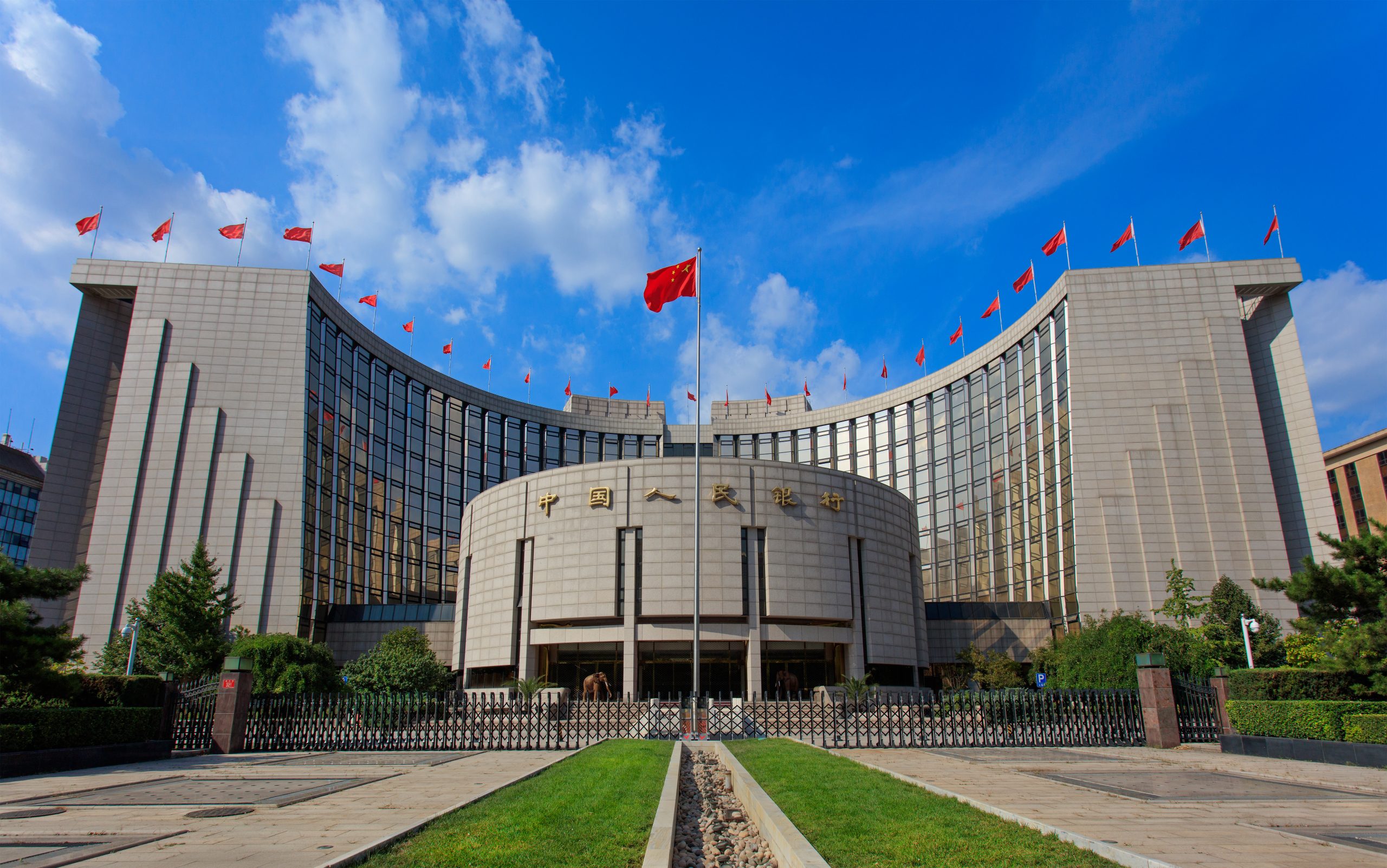
China’s Structural Monetary Policy Tools: Objectives, Limitations, Unintended Consequences
Sebastian Guo | 7 November 2022Monetary, Policy Briefs | Tags: Central Banks, China, Targeted Refinancing Lines
Central bank interventions have intended and unintended structural effects. A growing number of monetary authorities are acknowledging these structural implications of monetary policy and have started addressing them more actively.... continue reading

Aligning Central Bank Refinancing Operations with the G20 Agenda
Chiara Colesanti Senni and Pierre Monnin | 6 October 2021Monetary, Policy Briefs | Tags: Central Banks, Climate Risk, G20, Targeted Refinancing Lines
Since the Pittsburgh Summit in 2009, G20 leaders have repeatedly highlighted inclusive growth and environmental protection as core objectives in their joint declarations. With the widening of economic inequalities and... continue reading